
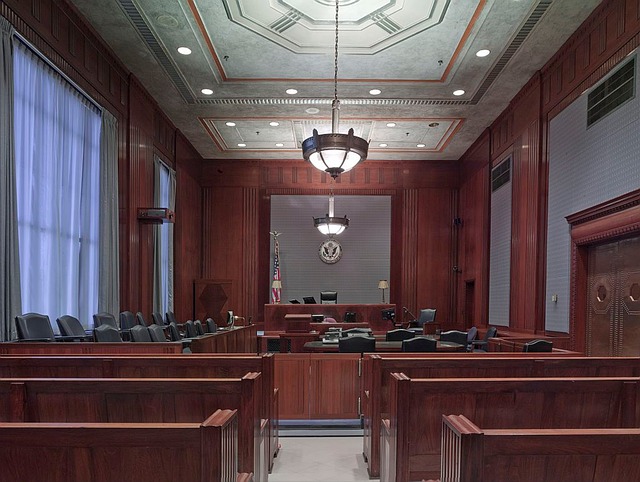
Your court date is set, and now the real work begins. An individual hearing in immigration court is where an immigration judge finally decides your case. This hearing carries more weight than any other part of removal proceedings. So, knowing what to expect matters more than almost anything else in your case. Vega & Associates has guided Houston families through this exact hearing for more than 45 years. We know how nerve-wracking the wait can feel. The Immigration Court Practice Manual lays out the formal rules, but real preparation goes beyond paperwork.
An immigration merits hearing gives both sides a final chance to present evidence. Your attorney submits documents, calls witnesses, and argues your case. Then the judge rules, often the same day. Most immigrants don’t know what to expect in immigration court, and that gap causes real stress. This guide walks through your entire individual hearing, step by step. It starts with check-in and ends with the judge’s decision. Vega & Associates also prepares clients for asylum claims, family petitions, and other removal defense strategies.
1. Individual Hearing vs Master Calendar Hearing
2. Who Attends Your Immigration Court Hearing
3. Evidence and Testimony at Your Hearing
4. Common Mistakes During Removal Hearings
5. What Happens After the Judge Rules
6. Step-by-Step Hearing Process
What Is an Individual Hearing in Immigration Court?
Most removal cases move through two kinds of court dates. First comes the master calendar hearing, a short check-in where the judge sets deadlines. Then comes the individual hearing, the real trial where your case gets decided. This is where testimony happens, evidence gets reviewed, and the judge issues a ruling. Immigration judges hear one individual hearing at a time, and yours might run for one hour or stretch across a full day.
Your lawyer plays a big role here. A Houston immigration attorney argues your case, questions witnesses, and pushes back on government objections. Without one, most respondents struggle to meet the legal standard for relief. That’s why hearing prep starts weeks, not days, before your court date.
Master Calendar vs Individual Hearing Differences
Think of the master calendar hearing as scheduling day. In our experience it’s quick, often under 15 minutes, and mostly procedural. The judge confirms your address, asks if you have a lawyer, and sets your next date.
The individual hearing is different. This is a full trial. Witnesses testify under oath. Your attorney presents documents, photos, and expert reports. The government trial attorney cross-examines your witnesses too. In our experience, most individual hearings for asylum claims run two to four hours, but complex cases can take longer. Block off your whole day when yours gets scheduled.
Who Decides Your Removal Case
An immigration judge, not a jury, decides your case. These judges work for the Department of Justice, not U.S. Citizenship and Immigration Services (USCIS). That surprises many clients at first.
The judge reviews your testimony, the evidence, and the law. Then the judge applies that law to your specific facts. In some individual hearings, the judge rules from the bench right away. In others, the judge takes weeks to issue a written decision. Either way, this ruling can be appealed to the Board of Immigration Appeals.
Key Takeaway: An individual hearing is the trial phase of your removal case, not a quick check-in. Your immigration judge reviews evidence, hears testimony, and often rules the same day. Strong hearing prep, backed by an experienced attorney, makes the biggest difference in the outcome. Vega & Associates builds that preparation into every case we handle.
Who Attends Your Immigration Merits Hearing
Several people show up for your individual hearing. You and your attorney sit at one table. The government’s trial attorney, a lawyer from ICE’s Office of the Principal Legal Advisor, sits at the other. Then there’s the immigration judge, who runs the whole hearing from the bench.
Witnesses often testify too, including family members or expert witnesses. An interpreter joins if you’re not fluent in English. Court staff record everything for the case file. Vega & Associates offers full Houston removal defense services. You walk into that room with a full team, not just one lawyer.
The Role of Your Immigration Judge
Your immigration judge controls the pace of the hearing. They rule on objections, decide what evidence counts, and question witnesses directly. Some judges ask tough questions. Others let the attorneys lead. Either style, the judge’s job stays the same. The judge applies the law fairly to your removal case, based on the record.
Bringing Witnesses to Immigration Court
Witnesses can make or break your individual hearing. Family members often testify about your relationship or hardship. Expert witnesses, like psychologists or country condition experts, support asylum claims. Prep matters here too. A witness who freezes on the stand can hurt a strong case. So, we rehearse testimony well before the hearing date.
Evidence and Testimony at Your Individual Hearing
Evidence wins individual hearings. Your attorney submits a filing weeks before the hearing date, called the individual hearing packet. It includes affidavits, country condition reports, medical records, and photos. The judge reads this packet before you even walk into the courtroom.
Testimony matters just as much. You’ll answer questions from your attorney first, then face cross-examination from the government’s trial attorney. For asylum cases, the judge checks your testimony against the asylum eligibility requirements set by federal law. Small inconsistencies can hurt your credibility, so honest, consistent testimony matters more than a polished performance.
Building a Strong Individual Hearing Packet
Documents make your case concrete. Country reports show conditions back home. Medical and psychological records support hardship or asylum claims, including the hardship showing required for cancellation of removal. Letters from family or community members add context a judge can’t get from paperwork alone. We organize every hearing packet by legal element, so the judge can follow your argument step by step.
What Cross-Examination Looks Like
The government’s trial attorney tests your story for holes. Expect direct questions about dates, travel, and past statements. Stay calm, answer only what’s asked, and don’t guess. Most clients find cross-examination shorter and less scary than they expected once we’ve practiced it together beforehand.
Pro Tip: Pro tip: Practice your testimony out loud, not just in your head. Reading answers silently feels different from saying them under pressure. Run through likely cross-examination questions with your attorney at least twice before your individual hearing date. That rehearsal builds the calm, consistent testimony judges find credible.
Common Mistakes to Avoid at Your Hearing
Some mistakes show up in almost every failed individual hearing. Missing a filing deadline tops the list. Immigration judges enforce strict deadlines for evidence, and late filings often get excluded entirely.
Showing up without a lawyer is another common mistake. Respondents without counsel lose removal cases far more often than those with representation. An American Immigration Council study found never-detained immigrants with lawyers were nearly five times more likely to win relief. Inconsistent testimony hurts too, especially in asylum claims where credibility carries real weight. You can see examples of this kind of preparation in our immigration court case results.
Missing Documents or Deadlines
Every individual hearing has filing deadlines set weeks, sometimes months, in advance. Miss one, and the judge may refuse to admit your evidence at all. That single mistake can sink an otherwise strong case, so calendar tracking matters as much as the paperwork itself.
Underestimating Cross-Examination
Many respondents assume they can simply tell their story and the judge will understand. But cross-examination is designed to find gaps. Walking in unprepared, without rehearsing hard questions first, remains one of the most common and costly errors we see in immigration court.
Common Mistake to Avoid: Common mistake: treating the individual hearing like a formality instead of a trial. Some respondents assume the judge already knows their story from prior filings. That assumption backfires. The judge decides your case based on what’s presented at the hearing itself, so complete evidence and clear testimony matter every single time.
What Happens After Your Immigration Court Hearing
Many immigration judges rule right after the individual hearing ends. You’ll hear the decision from the bench that same day in many cases. The judge either grants relief, grants voluntary departure, orders removal, or occasionally continues the case for more evidence.
If the judge rules against you, you generally have 30 calendar days to appeal to the Board of Immigration Appeals. If the judge grants relief, like asylum or a green card, USCIS or the court processes the paperwork next. The immigration and citizenship resources at USA.gov explain what happens after each type of ruling in more detail.
When the Judge Rules From the Bench
A same-day ruling feels intense, but it’s common. The judge summarizes the evidence, applies the law, and states the outcome out loud. Your attorney should explain next steps immediately afterward, whether that means filing an appeal or starting the next stage of your case.
Appealing an Individual Hearing Decision
Not every decision is final. You can appeal to the Board of Immigration Appeals within 30 calendar days of the ruling, counted from the oral decision or the mailing of a written decision. Appeals focus on legal errors, not new evidence, so the record built during your individual hearing becomes even more important on appeal.
What This Means for You: What this means for you: the individual hearing is the moment your entire case gets decided, and there’s little room for do-overs. One Vega & Associates client, Selina Zarate, said our team was ‘extremely efficient and knowledgeable throughout my immigration process’ and that she ‘felt well represented at all times.’ That’s the standard we hold for every individual hearing we prepare for.
An individual hearing in immigration court decides more than most people realize. It decides whether you stay with your family, keep your job, or face removal. The judge weighs evidence, testimony, and the law in that single hearing, so nothing about it should be left to chance.
Vega & Associates has spent more than 45 years preparing Houston clients for exactly this kind of individual hearing. We build your hearing packet, rehearse your testimony, and walk beside you through every stage of your removal case. Individual hearing coming up? Schedule intensive hearing prep with Vega & Associates today, before your court date arrives. Your case, and your future in this country, deserve that preparation. This article is general information, not legal advice. Talk to an immigration attorney about your own situation.
Expert Insight from Vega & Associates: After 45 years handling removal cases in Houston immigration court, we’ve learned that most individual hearings are won or lost in the prep, not the courtroom. Judges respond to clear, organized evidence and witnesses who know their story cold. We build every case file months in advance, so nothing about your individual hearing catches us, or you, off guard.
Key Takeaway: An individual hearing decides your case for good, whether that means relief, a green card, or removal. Preparation, not luck, drives the outcome. Working with Vega & Associates means walking into immigration court with organized evidence, rehearsed testimony, and a lawyer who already knows the judge’s expectations.
Frequently Asked Questions
What happens at an individual hearing in immigration court?
An individual hearing is the trial phase of a removal case. The immigration judge reviews evidence, hears testimony from you and your witnesses, then rules on your case. Most individual hearings last two to four hours. So, expect a full day set aside for this hearing.
How long does an individual hearing usually last?
Most individual hearings run two to four hours, though asylum cases with several witnesses can take longer. Simple cases sometimes wrap up in under an hour. Either way, block off your whole day. Your hearing schedule depends on how much evidence and testimony the judge needs to review.
What's the difference between a master calendar and individual hearing?
A master calendar hearing is a short, procedural check-in. An individual hearing is the actual trial, where the judge hears evidence and testimony before ruling. Think of the first as scheduling and the second as your day in court. Both hearings matter, but the individual hearing decides your case.
Do I need a lawyer for my individual hearing?
Yes, legal representation makes a real difference at an individual hearing. Respondents without a lawyer lose removal cases far more often than those with one. Your attorney organizes evidence, prepares witnesses, and argues the legal standard for relief. That preparation shapes how the judge sees your entire case.
What happens after your individual hearing ruling?
After the ruling, the judge either grants relief, denies your case, or continues it for more evidence. If you lose, you generally have 30 days to appeal. If you win, USCIS or the court processes your relief next. Either outcome starts a new phase after your individual hearing.
Step-by-Step Process
Step-by-Step Individual Hearing Process in Immigration Court
1. Confirm your individual hearing date and time with the court.
2. Gather documents for your immigration court evidence packet early.
3. Meet with your attorney to review your removal case.
4. Prepare witnesses and rehearse testimony before the hearing date.
5. Organize country reports and records for asylum claims.
6. Arrive early and check in at the immigration court.
7. Present opening evidence and documents to the judge.
8. Answer direct questions from your attorney under oath.
9. Face cross-examination from the government trial attorney calmly.
10. Wait for the judge’s ruling on your individual hearing.
Quick Reference: What Is an Individual Hearing in Immigration Court?
An individual hearing is the trial stage of a removal case in immigration court. An immigration judge reviews evidence, hears testimony, and decides the outcome. This differs from a master calendar hearing, which only sets deadlines. So, the individual hearing is where your case actually gets decided. Most hearings last two to four hours. Then, in many cases, the judge rules the same day, from the bench.
Additional Resources
• Learn more about our immigration law team and the decades of Houston immigration court experience behind every case we handle.
• Browse helpful immigration court resources covering forms, deadlines, and general guidance for anyone preparing for their day in immigration court.
• Meet attorney Adan Vega, who helps Houston clients prepare for individual hearings and other immigration court matters.
• Read client reviews from Houston families who went through removal cases and individual hearings with our firm.
Reviewed by Adan Vega, Board-Certified Immigration Attorney, Founding Partner · Updated

About the author
Board-Certified Immigration Attorney, Founding Partner · Texas Board-Certified Specialist in Immigration and Nationality Law — Texas Board of Legal Specialization (1985); Admitted, U.S. Supreme Court (2004); Admitted, U.S. Court of Appeals for the Fifth Circuit (1980); J.D., The University of Texas at Austin School of Law (1979); B.A., Rice University (1976); Member, American Immigration Lawyers Association (AILA) (1982); Texas Super Lawyers — Thomson Reuters (2004); Special Service Award — Migration and Refugee Services, United States Catholic Conference
Adan G. Vega is a Board-Certified Immigration Attorney and the founding partner of Vega & Associates, PLLC in Houston, Texas. He has practiced immigration and nationality law exclusively for more than 45 years, making him one of the longest-serving immigration attorneys in Houston. He earned a B.A. from Rice University in 1976 and a J.D. from the University of Texas at Austin School of Law in 1979. In 1985 the Texas Board of Legal Specialization awarded him a Certificate of Special Competence in Immigration and Nationality Law, authorizing the title Board Certified Specialist. He is admitted to practice before the Texas state courts, the EOIR Immigration Courts, the U.S. District Court for the Southern District of Texas, the U.S. Court of Appeals for the Fifth Circuit and the U.S. Supreme Court, and has presented oral argument in the Fifth Circuit on three occasions, including one published opinion.
On August 23, 1988, Vega testified before the U.S. House of Representatives Committee on the Judiciary, Subcommittee on Immigration, Refugees and International Law, on the effects of the Immigration Reform and Control Act of 1986. He has served as immigration legal counsel to foreign governments in the United States, including the governments of Mexico and El Salvador, and to multinational companies on employment-based immigration.
A member of the American Immigration Lawyers Association since 1982, he co-chaired the AILA Texas Chapter Conference in 1997, 1998, 1999 and 2004, and has lectured on immigration law at AILA conferences and at the University of Texas. He authored the Guide of United States History and Government in 1989. The Migration and Refugee Services of the United States Catholic Conference presented him with a special service award for outstanding commitment and dedicated service to newcomers.
Vega was a founder and initial director of the Houston Hispanic Chamber of Commerce in 1984, served as President of Consejo Hispano from 1987 to 1988, and has served as special immigration legal counsel, board director, vice president and president of the Cámara de Empresarios Latinos de Houston. He has provided pro bono immigration services to Texas's indigent community throughout his career. He has been recognized as a Top Texas Lawyer by Super Lawyers (Thomson Reuters) since 2004. He represents individuals, families and businesses before USCIS, the Immigration Courts, the Board of Immigration Appeals and the Fifth Circuit Court of Appeals, and is bilingual in English and Spanish.


