
Form I-129F · Consular interview · Marriage within 90 days
K-1 Fiancé Visa Lawyer in Houston
The K-1 visa lets a U.S. citizen bring a fiancé to the United States to marry. Adan G. Vega & Associates prepares the I-129F petition, the consular case and the adjustment of status that follows the wedding, so an engaged couple in Houston gets from petition to green card without a gap. English and Spanish.
Talk about your case
Or call(713) 527-9606
Before you file
K-1 Fiancé Visa or Spouse Visa?
An engaged couple has two ways to end up with a green card, and the choice depends on where you want to marry and how soon you want to be together in Houston. The K-1 brings the fiancé here first and the wedding happens in the United States. The spouse route means marrying first, abroad or on a visit, and then filing the marriage green card petition.
K-1
K-1 fiancé visa
Marry in the United States
The citizen files the I-129F, the fiancé interviews at the consulate and enters on a K-1, the couple marries within 90 days, and the new spouse adjusts status in Houston. Unmarried children under 21 can come on K-2 visas. Two government stages instead of one, but the couple is together sooner.
CR-1
CR-1 / IR-1 spouse visa
Marry first, then immigrate
The couple marries, the citizen files the I-130, and the spouse enters on an immigrant visa with permanent residence from day one, no adjustment stage and no separate work permit. Fewer filings overall, but the spouse waits abroad through I-130 and consular processing.
Stage by stage
The Six Stages of a K-1 Case
- Stage 1Eligibility
Confirm the couple qualifies
The petitioner must be a U.S. citizen. Both must be legally free to marry, with every prior marriage ended by divorce, annulment or death, and both must intend to marry within 90 days of the fiancé’s arrival. The couple must have met in person at least once in the two years before the petition is filed. USCIS can waive the meeting requirement only for extreme hardship or where meeting before marriage would violate strict, long-established customs of the fiancé’s culture.
The International Marriage Broker Regulation Act adds disclosures: a petitioner with certain criminal convictions, or who has filed more than one K-1 petition, must disclose it and may need a waiver. We review both partners’ histories at the start so nothing surfaces at the consulate.
- Stage 2Form I-129F · USCIS
File the fiancé petition
Form I-129F, Petition for Alien Fiancé(e), goes to USCIS with proof of the petitioner’s citizenship, proof the couple met in person within two years, evidence of the relationship, signed statements of intent to marry from both partners, and passport photos. Evidence of the meeting is specific: boarding passes, passport stamps, hotel records and dated photographs together. We assemble the packet so the officer can verify each requirement without a request for evidence.
- Stage 3NVC · DS-160 · Consulate
The consular stage
After approval, USCIS sends the petition to the National Visa Center, which forwards it to the U.S. embassy or consulate in the fiancé’s country. The fiancé completes the DS-160 nonimmigrant visa application, pays the $265 visa fee, completes a medical exam with a panel physician, gathers police certificates and civil documents, and attends the interview. The petitioner provides an I-134 declaration of financial support for this stage. The officer confirms the relationship is genuine and screens for inadmissibility; a ground such as prior unlawful presence may require a waiver, which we identify before the interview rather than after a refusal.
- Stage 4Entry · 90 days
Entry and the wedding
The K-1 visa is valid for a single entry within six months of issuance. From the day of entry the couple has 90 days to marry. The marriage must be to the petitioner; a K-1 entrant cannot adjust status through anyone else or change to another visa category. If the wedding does not happen within 90 days, the fiancé must leave the United States. We treat the entry date as the start of a calendar and plan the license, ceremony and adjustment filing around it.
- Stage 5Form I-485 · Houston
Adjust status after the marriage
Once married, the new spouse files Form I-485 for the green card. No I-130 is needed because the approved I-129F serves as the petition. The package includes the marriage certificate, the I-864 affidavit of support from the citizen spouse, the I-693 medical exam or the consular exam if still valid, and usually the I-765 work permit and I-131 advance parole applications. Biometrics follow at a Houston Application Support Center, and most cases are interviewed at the USCIS Houston Field Office with both spouses present.
- Stage 6Conditional card · Form I-751
The two-year card, then permanent residence
Because the marriage is always less than two years old when a K-1 adjustment is approved, the spouse receives a conditional green card. The couple files Form I-751 in the 90 days before it expires, with evidence the marriage is ongoing, to receive the ten-year card. We calendar that window for every K-1 client; the process is on our removal of conditions page.
90daysFrom the day of entry the couple has 90 days to marry. If the wedding does not happen within 90 days, the fiancé must leave the United States.
6monthsThe K-1 visa is valid for a single entry within six months of issuance.
2yearsThe couple must have met in person at least once in the two years before the petition is filed.
Costs and timing
Government Fees and Timelines in a K-1 Case
USCIS and State Department fees as published in September 2026. We confirm each against the current USCIS fee schedule before filing. Attorney fees are quoted separately.
| Form or fee | What it is | Paper | Online |
|---|---|---|---|
| I-129F | Petition for alien fiancé | $675 | — |
| K-1 visa | Nonimmigrant visa application fee, paid to the consulate | $265 | |
| I-485 | Adjustment of status after the marriage | $1,440 | $1,390 |
| I-765 | Work permit filed with a pending I-485 | $260 | $260 |
| I-131 | Advance parole travel document | $630 | $580 |
| I-751 | Removing conditions two years later | $750 | $700 |
The panel physician medical exam abroad and any civil surgeon exam in Houston are paid to the doctor and vary by provider. Marriage license fees are set by the county.
K-1 Timelines Houston Couples See
These are the ranges we see and the published figures, not guarantees. USCIS posts current I-129F times on its processing times page, and interview scheduling varies by consulate.
Petition to visaAbout 8 to 14 months from filing the I-129F to visa issuance, including NVC transfer and the consular interview.
Visa validitySix months from issuance for a single entry; the 90-day marriage clock starts at entry.
Adjustment of statusFiled right after the wedding. The work permit usually arrives first; the green card follows on USCIS processing time.
Removing conditionsThe I-751 has run about 21 months; the receipt extends the conditional card for 48 months while it is pending.
What to gather
Documents for a K-1 Case
The U.S. citizen
- Proof of citizenship: passport, naturalization certificate or birth certificate
- Divorce decrees or death certificates ending every prior marriage
- Signed statement of intent to marry within 90 days
- Tax return, W-2s and pay stubs for the I-134 and later the I-864
The fiancé
- Valid passport and birth certificate
- Divorce decrees or death certificates for prior marriages
- Police certificates from every country lived in for six months or more since age 16
- Signed statement of intent to marry
Proof you met in person
- Boarding passes, passport stamps and itineraries
- Hotel or lodging records
- Dated photographs of the couple together
- Messages, calls and travel history showing the relationship
After the wedding
- Marriage certificate
- I-94 record showing the K-1 entry
- Sealed medical exam if the consular exam has expired
- Joint accounts, lease and insurance as they are set up

Your attorney
Engaged and planning the move? The K-1 has deadlines the couple cannot miss. A Board-Certified attorney lays out the whole path at the first consultation.
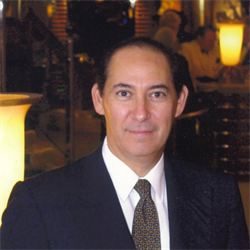
Adan G. VegaFounding partner · Board-CertifiedAttorney profile
Texas Board-Certified Specialist in Immigration and Nationality Law since 1985. Practicing since 1979.
Book a consultation
Local · Houston, Texas(713) 527-9606
Questions couples ask
K-1 Fiancé Visa Questions
Can a green card holder petition for a fiancé?
No. The K-1 is available only to U.S. citizens. A permanent resident who wants to bring a partner must marry first and file an I-130 as the spouse of a resident, which places the spouse in the F2A preference category with a priority-date wait, or wait until naturalizing.
We have never met in person. Can we still file?
USCIS requires an in-person meeting within the two years before filing. The requirement can be waived only for extreme hardship to the petitioner or where meeting before marriage would violate strict and long-established customs of the fiancé’s culture. Those waivers are granted rarely, so for most couples the practical answer is to arrange a visit before filing.
Can my fiancé work after arriving on the K-1?
A K-1 entrant may apply for a work permit on arrival, but that permit expires with the 90-day K-1 period and rarely arrives in time to be useful. The practical route is to file the I-765 together with the I-485 right after the wedding, which produces a permit valid while the green card is pending.
What if we decide not to marry?
The K-1 is tied to the petitioner. If the marriage does not take place within 90 days, the fiancé must depart the United States. The K-1 cannot be converted to another status or used to adjust through a different spouse.
Can my fiancé’s children come too?
Yes. Unmarried children under 21 of the fiancé can be included on the I-129F and receive K-2 visas. They may enter with the K-1 holder or within a year of the K-1 visa issuance, and they adjust status after the marriage along with the parent.
Where can I read the official rules?
USCIS explains the process on its visas for fiancé(e)s of U.S. citizens page, and the State Department covers the consular stage on its K-1 nonimmigrant visa page.
Keep reading
Related Pages and Guides


Start Your Fiancé’s K-1 Case
Bring your travel records and documents to a consultation and leave knowing whether the K-1 or the spouse route fits, the fees and the timeline. English and Spanish.
Book a consultation
Or call(713) 527-9606